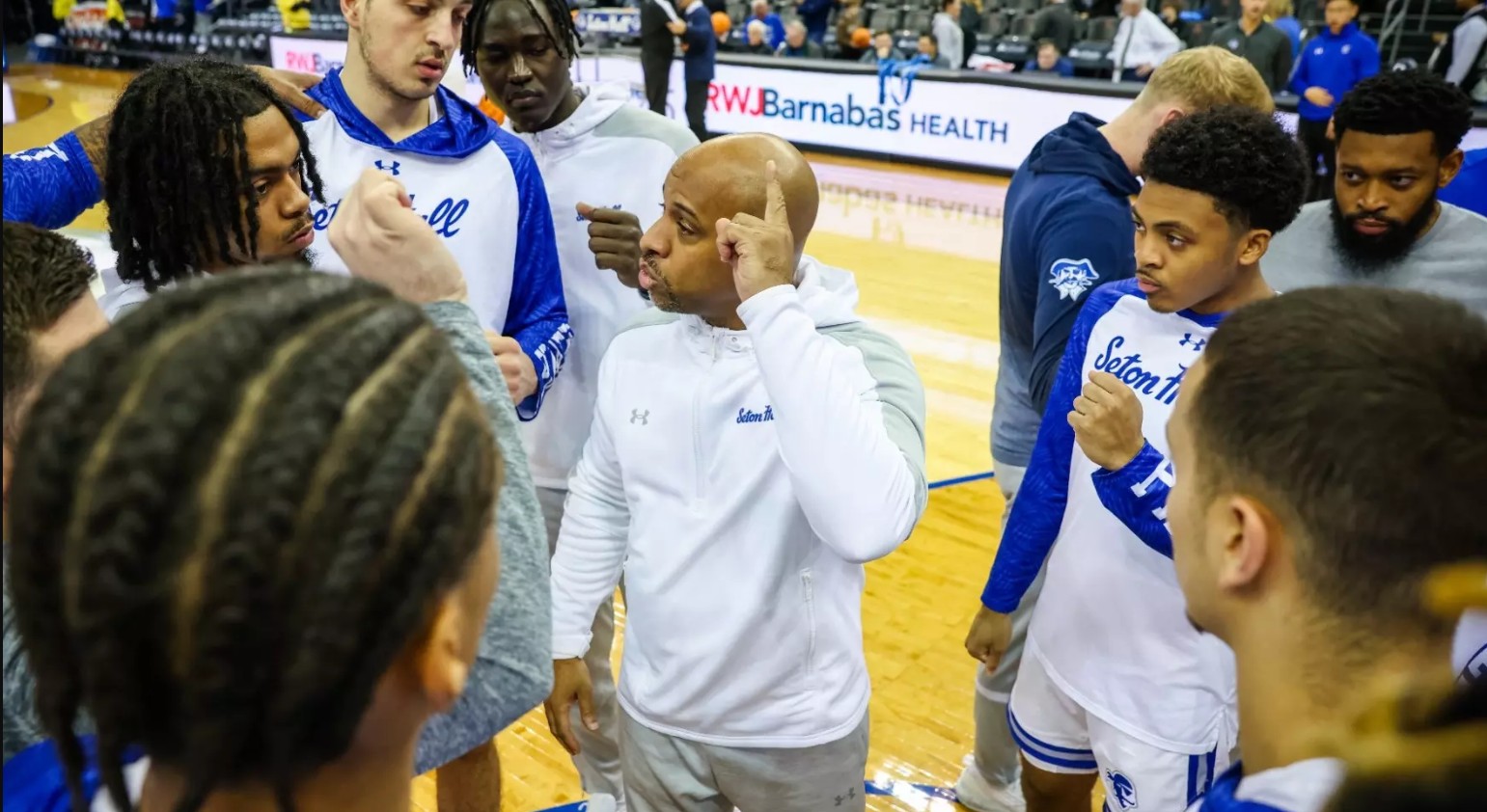
The men's basketball program at Texas Southern University is in the midst of a coaching transition that has drawn the direct attention of the players themselves. As the university considers its next move in the head coaching position, the roster has made a unified statement: they want the interim head coach to remain in the role.
Player protests in college basketball are not uncommon when roster stability and coaching continuity are at stake. For a program like Texas Southern, which competes in the MEAC (Mid-Eastern Athletic Conference), the coaching position carries significant weight in recruiting, player development, and the overall direction of the program. The interim coach has apparently earned enough trust and confidence from the current roster that they are willing to voice their preference publicly.
Texas Southern, one of the nation's historically Black universities located in Houston, has a storied basketball tradition. The Tigers have competed at the NCAA Division I level and have made tournament appearances in their history. The current situation reflects the broader dynamics that HBCU athletic programs navigate—balancing institutional decision-making with player agency and program continuity.
When players take a public stance on coaching decisions, it typically signals that they believe the interim coach has established credibility with the team. This could relate to how the coach has handled player development, communication, team culture, or the direction of the program during a transitional period. The fact that multiple players are unified in this protest suggests a level of consensus that goes beyond individual grievances.
Universities weighing coaching decisions must consider multiple factors: player input, institutional goals, budget constraints, and the broader competitive landscape. At HBCUs, where resources and visibility can differ from Power Five programs, these decisions carry particular weight. A coaching change can affect recruiting pipelines, player retention, and the program's competitive standing within the MEAC.
The timing of this protest—as the university is actively considering its options—suggests that players felt compelled to make their voices heard before a final decision is made. Whether the university will prioritize player input in its final determination remains to be seen. Some institutions view player feedback as crucial to program health; others maintain that coaching decisions rest solely with administration.
Why this matters: At HBCUs, where student-athlete voices are central to campus life and community identity, this moment reflects the broader conversation about player agency in college sports. Texas Southern's basketball program is part of the university's identity and the wider HBCU athletic ecosystem. How the institution responds to its players' concerns will signal whether it values continuity and player input—factors that directly affect recruitment, retention, and the program's competitive future. The outcome could also set a precedent for how other HBCU programs handle similar transitions.